Buying & Setup Guides
Do Bird Feeder Cameras Scare Birds Away?
No - and the reason so many people believe otherwise is a coincidence of timing that has nothing to do with the camera.
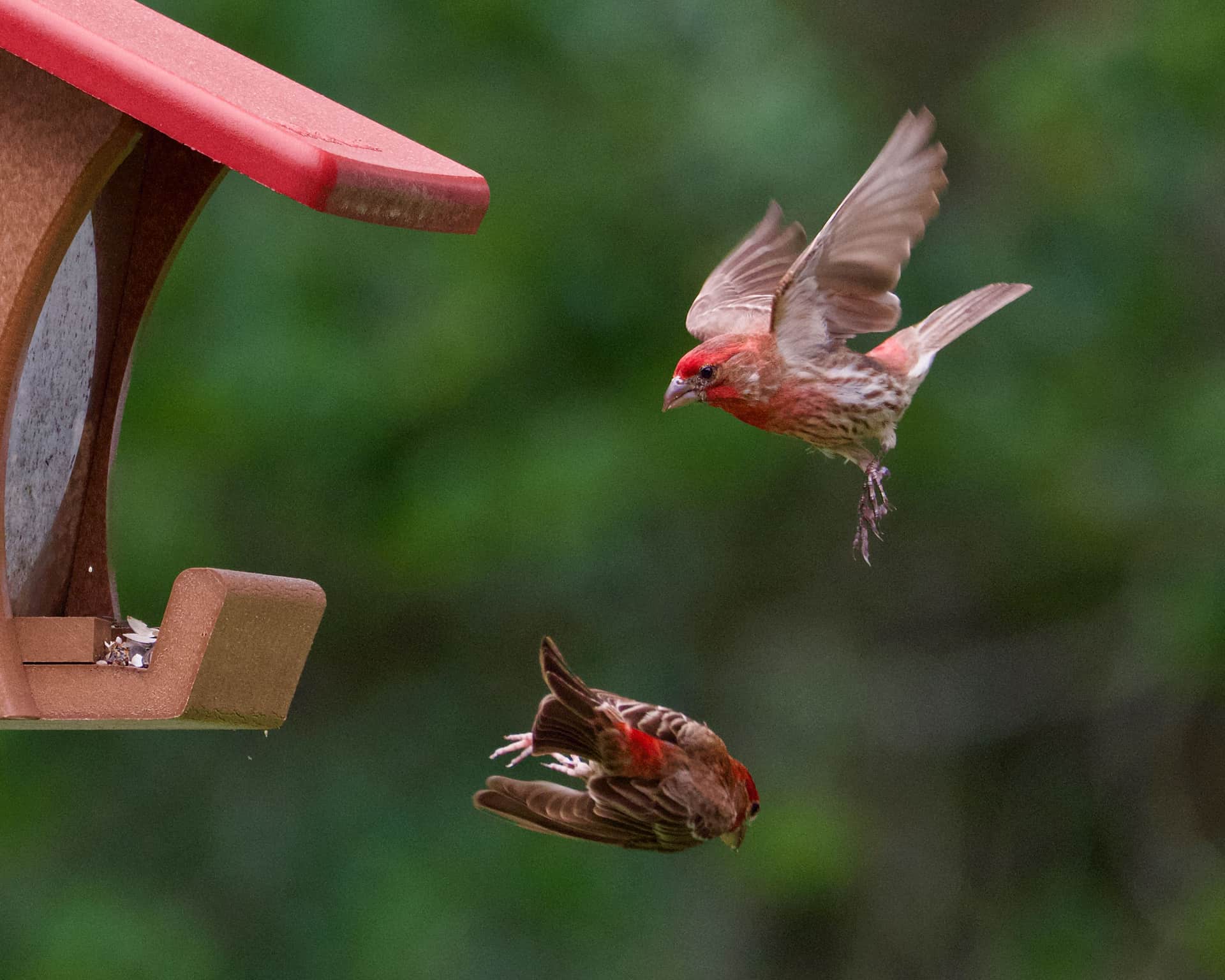
This question gets asked constantly, and it is usually asked by somebody who has just installed a camera feeder and watched nothing happen for a week. So the short answer first, and then the reason it feels wrong.
The short answer
No. A feeder camera is silent, does not move, and does not flash in daylight. From a bird's point of view it is a shape on a feeder, and birds habituate to static objects quickly.
The reason people believe otherwise is a coincidence: the camera arrives at exactly the same moment as a new feeder in a new position, and that is what the birds are reacting to.
What is actually happening
Any new feeder anywhere takes days to weeks to be found and trusted. Birds locate food by patrolling familiar routes and by watching each other, and a novel object in a garden is approached with caution before it is treated as a food source. Two weeks of nothing is normal; longer is normal in a garden with no history of feeding.
That would have happened with a plain plastic feeder from a hardware store. But because a camera was involved and it was expensive, the camera gets the blame. This is the single most common misattribution in the category, and the setup guide covers the first three weeks in more detail.
What does actually deter birds
- Being in the open. A feeder in the middle of a lawn is a place a small bird feels exposed. Within about ten feet of cover is the usual advice, and moving it is the most common single fix.
- Predator presence. A cat that patrols the area, or a hawk that has learned the feeder is a reliable hunting spot, will empty a feeder of visitors for days.
- Movement nearby. A door people use constantly, a path, a washing line. Static objects are fine; unpredictable movement is not.
- Bad or spoiled seed. Cheap mixes that are mostly filler get rejected, and wet clumped seed gets abandoned.
- Competition. A neighbor's established, well-stocked feeder is a known quantity; yours is not, yet.
- Season. Natural food is abundant in late summer and autumn, and feeders get quieter. This is not a fault - it reverses in winter.
Do the notifications or the live view bother them?
No. Notifications happen on your phone, in your pocket. Opening the live view does not make the camera do anything the bird can perceive - it is already recording. There is no shutter sound and no visible indicator that a bird could react to.
What to do if your feeder stays empty
In order, one change at a time
- 1
Wait three weeks
Genuinely. Most 'nothing is coming' problems resolve themselves in this window, and changing several things at once means you learn nothing from the outcome.
- 2
Move it nearer cover
A shrub, a tree edge, a hedge - somewhere within about ten feet that a bird can retreat to. This is the most effective single change.
- 3
Scatter seed on the ground beneath it
Ground-feeding species find it quickly, and their activity advertises the feeder above to everything else.
- 4
Check the seed
Black oil sunflower is the reliable default. If you started with a cheap mixed seed, that alone may be the problem.
- 5
Look for a predator
A resident cat or a hawk that has learned the spot will suppress visits persistently, and no adjustment to the feeder will fix it.
The honest framing
If you were going to put up a feeder anyway, putting up one with a camera in it changes nothing about how the birds behave. If you would not otherwise have fed birds and the camera is the reason you are starting - that is a net gain for the birds in your garden, particularly in winter, provided you keep it clean and keep it stocked.
Nothing to sell on this page. This page exists to talk someone out of worrying, and often out of buying something. Attaching product recommendations to it would give us a reason to want the answer to come out a particular way, which is exactly what makes advice untrustworthy.
Questions people actually ask
Do bird feeder cameras scare birds?
No. The camera is silent, static and does not flash in daylight, and birds habituate to static objects quickly. What people are seeing is the normal delay before any new feeder is found and trusted.
How long until birds get used to a new feeder?
Days to weeks. Two weeks of nothing is normal, and longer is normal in a garden with no feeding history.
Does the infrared light bother birds at night?
For feeder cameras it is largely moot - feeder birds are not active at night. Nest box cameras are the case worth thinking about, since the camera is inside the animal's shelter, and they are widely used in research and conservation.
Does opening the live view disturb them?
No. The camera is already recording, there is no shutter sound and nothing visible changes.
Why did birds stop coming to my feeder?
Most often a predator in the area, spoiled or wet seed, or seasonal abundance of natural food in late summer and autumn. Feeders reliably get busier again in winter.