Smart Bird Feeder Cameras
Solar Bird Feeder Cameras
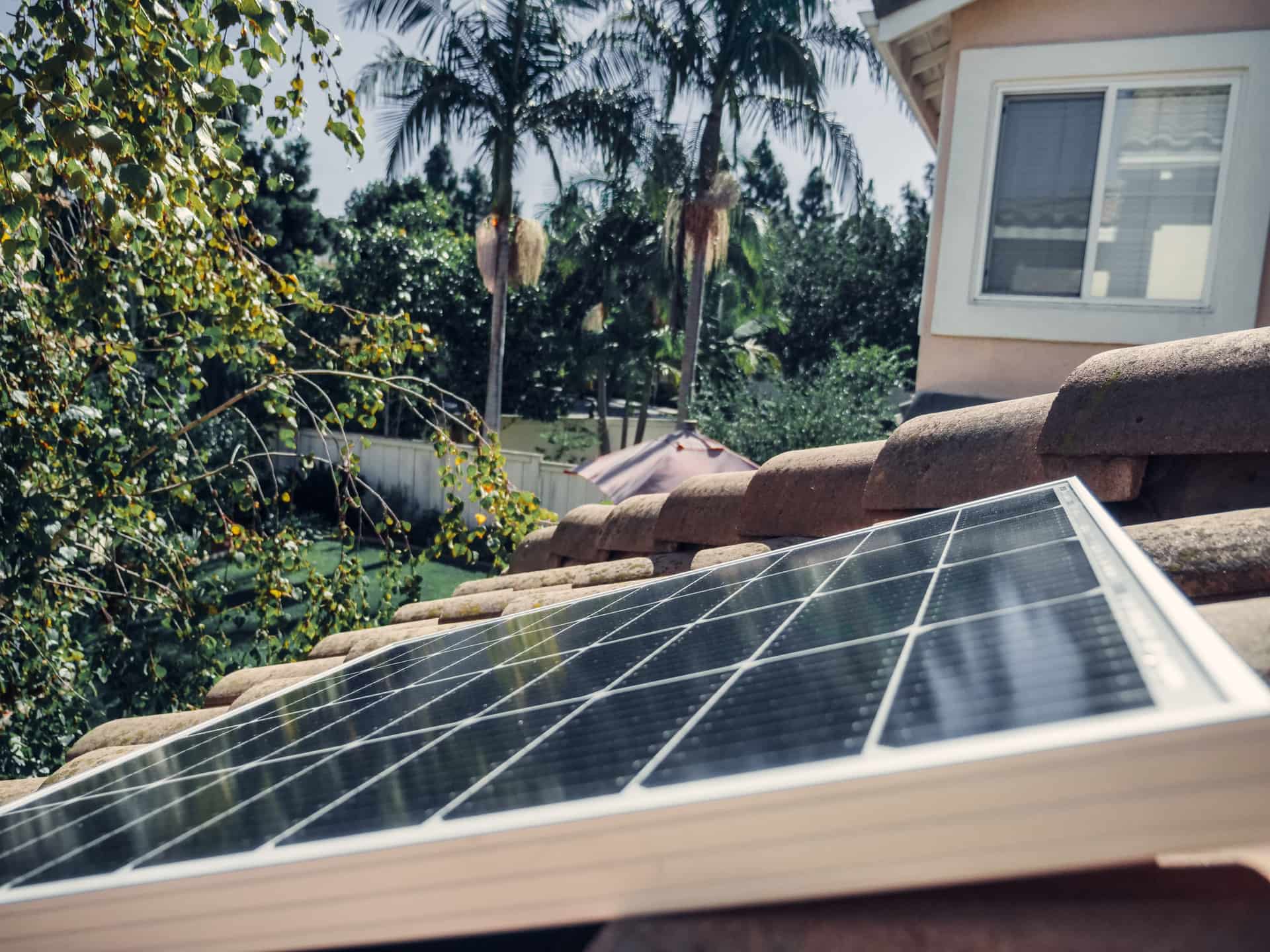
A solar roof is the right answer in an open yard and the wrong one under a mature tree, where it is simply a smaller battery you have to climb up to. Here is how to tell which yard you have.
How this page is funded. Buying through a link here earns us a commission at no extra cost to you. It does not change what we recommend or the order we recommend it in, and we have not handled any of these products ourselves - see how we pick and the full disclosure.
Solar has become the default trim in this category, and mostly that is good news: a feeder that tops itself up is a feeder you are not taking down every few weeks in February. But the solar roof is sold as though it removes the charging question, and it does not. It moves the question from the battery to your yard.
The trade nobody prints on the box
A solar feeder generates power only in direct light, and the panel on top of a bird feeder is small - a few square inches of cell angled at whatever the roof angle happens to be. In an open yard facing south, that is comfortably enough to offset a camera that wakes a few dozen times a day. Under a canopy, or on a north-facing porch, or through a northern winter with six hours of low, gray daylight, it is not.
Here is the part that catches people out. Makers used to sell the same camera in both solar and non-solar trims, and the non-solar version frequently carried the larger battery - so in a shaded yard the solar model was worse in both directions. Those non-solar trims have since been discontinued across the brands on this site, which removes the easy answer: a shaded yard now buys a solar model and accepts that the panel is decoration.
Quick picks
Ranked on published specifications and what each one costs to own. Every pick names the buyer it is wrong for.
| # | Product | Best for | Price |
|---|---|---|---|
| 1 |  Birdbuddy Pro Solar The largest published sensor in the category and the only maker that declines to advertise a species count - both of which point the same way. | The best pictures, if you can live with the app | |
| 2 |  Birdfy 2 Pro Solar Two lenses, a stated 9,000mAh battery and a stated 3W panel. Birdfy publishes numbers other makers hide, and the numbers are good. | The most published specification of anything here | |
| 3 |  Kiwibit Smart Bird Feeder (4K) 4K, 8MP, a stated 5,200mAh cell and a stated 3W panel, with an IP65 rating and a real temperature range. Then it claims 10,000+ species. | The most published specification per dollar | |
| 4 |  SOLIOM Metal Bird Feeder Camera A durable metal, squirrel-proof body with 2K live view for less than anything else here - from the one maker in this category that publishes what its cloud plan costs. | A metal body at the bottom of the price range | $68.99 - View on Amazon #ad Price checked October 17, 2026. How this is funded |
| 5 |  Birdbuddy Home Birdbuddy's larger model, and the only feeder on this site with a dual solar panel - the answer to a yard that gets sun for part of the day rather than all of it. | Two solar panels instead of one | Check price on Amazon #ad Amazon did not show a price for this on October 17, 2026. How this is funded |
1. The best pictures, if you can live with the app
Birdbuddy Pro Solar
The largest published sensor in the category and the only maker that declines to advertise a species count - both of which point the same way.
A 1/2.7" sensor is a real, checkable number, and it is bigger than anything else in this category will admit to. Sensor area is what governs how a photo looks when a bird lands at dusk, which is when most feeder traffic actually happens. Nobody else publishes the figure, so nobody else can be compared to it.
The thing worth noticing is what is missing. Every rival leads with an AI number - 6,000 species, 10,000 species. Birdbuddy prints none. A maker that does not put a number on its recognition claim is a maker with nothing to walk back, and after you read the species-claim audit that reads as confidence rather than as a gap.
The Wi-Fi position is the one to check before you buy. Birdbuddy's own support documentation says the original camera module requires 2.4GHz and does not work on 5GHz. If your router broadcasts one merged network name, that is the setup that fails - and the fix takes ten minutes once you know about it. It is covered in the Wi-Fi requirements guide.
| Video resolution | 2KSource: Birdbuddy Pro Solar - manufacturer listing on Amazon, retrieved 1 September 2026 |
|---|---|
| Photo resolution | 5MPSource: Birdbuddy Pro Solar - manufacturer listing on Amazon, retrieved 1 September 2026 |
| Sensor size | 1/2.7"The only sensor dimension published by any maker in this roundup.Source: Birdbuddy Pro Solar - manufacturer listing on Amazon, retrieved 1 September 2026 |
| Dynamic range | HDRSource: Birdbuddy Pro Solar - manufacturer listing on Amazon, retrieved 1 September 2026 |
| Wi-Fi band | 2.4GHz for the original camera module; the Birdbuddy 2 module adds 5GHzBirdbuddy's own support pages state the original module does not work on 5GHz.Source: Birdbuddy support: Connectivity and Wi-Fi requirements |
| Solar | Detachable solar roof, rotates 180 degreesSource: Birdbuddy Pro Solar - manufacturer listing on Amazon, retrieved 1 September 2026 |
| Battery capacity | Not publishedNo mAh figure appears on the listing or the support site. |
| Species identified | Not publishedBirdbuddy publishes no species count anywhere we could find. See the AI claims audit. |
| Subscription price | Not publishedNot stated on the listing, and the plan page did not serve us a price. |
What it does well
- Published 1/2.7" sensor with HDR - the only sensor dimension anyone in the category states
- Solar roof detaches and rotates, so the panel can face the sun even when the feeder cannot
- Makes no species-count claim, which is the honest position given the arithmetic
- The largest accessory ecosystem in the category, including perch extenders and nutrition sets
What it does not
- Battery capacity is not published, so runtime cannot be estimated from first principles
- The original camera module is 2.4GHz-only per Birdbuddy's own support pages
- Subscription pricing is not stated on the listing and was not retrievable from the plan page
Skip this: if you want every feature unlocked with no ongoing decision to make. Birdbuddy's premium tier exists, its price is not published where a buyer can find it, and buying into an unpriced subscription is exactly the trap the three-year cost guide was written about.
2. The most published specification of anything here
Birdfy 2 Pro Solar
Two lenses, a stated 9,000mAh battery and a stated 3W panel. Birdfy publishes numbers other makers hide, and the numbers are good.
A 9,000mAh cell paired with a 3W panel is the most generous published power budget in the category, and it is the reason this model turns up in so many yards that get only morning sun. It is also, notably, a number: Birdfy states it, most rivals do not, and a stated number is one you can hold them to.
The dual-lens arrangement is a genuine design decision rather than a spec-sheet flourish. One lens frames the whole feeder, the other pushes in on the perch. What that buys you is a photo where the bird fills the frame without the wide shot becoming useless - which is precisely the complaint people have about single-lens feeders.
The species claim is where to be careful. 6,000+ is a claim by the maker. There are 11,227 bird species on Earth by the current IOC list, and 1,161 in the whole ABA Area. What a 6,000-species model can honestly do in a North American backyard is worked through in the AI claims audit.
Operating range is stated at 14F to 113F. If you live somewhere that spends February below 14F, that is a published limit, not a rumor, and it should decide your purchase.
| Camera system | Dual lens: 1080P wide + 2K auto-tracking close-up, with split viewSource: Birdfy 2 Pro Solar - manufacturer listing on Amazon, retrieved 1 September 2026 |
|---|---|
| Battery capacity | 9,000mAhThe largest published capacity of any feeder on this site, and one of only four published at all.Source: Birdfy 2 Pro Solar - manufacturer listing on Amazon, retrieved 1 September 2026 |
| Solar panel | 3WSource: Birdfy 2 Pro Solar - manufacturer listing on Amazon, retrieved 1 September 2026 |
| Species identified | 6,000+ claimedA claim by the maker, not a verified figure. See the audit.Source: Birdfy 2 - manufacturer listing on Amazon, retrieved 1 September 2026 |
| Operating range | 14F to 113FSource: Birdfy 2 - manufacturer listing on Amazon, retrieved 1 September 2026 |
| Sharing | 20+ accountsSource: Birdfy 2 - manufacturer listing on Amazon, retrieved 1 September 2026 |
| Sensor size | Not publishedResolution is published; the sensor dimension behind it is not. |
| Subscription price | Not published |
What it does well
- 9,000mAh battery and 3W panel, both published - the best documented power budget here
- Dual lens gives a wide frame and a close-up without choosing between them
- Publishes an operating temperature range, which almost nobody else does
- Shares to 20+ accounts, which matters if this is a gift for a household
What it does not
- The 6,000+ species claim is far larger than any North American backyard can exercise
- Sensor dimensions are not published, so image quality cannot be compared to Birdbuddy's
- Subscription pricing is not stated on the listing
Skip this: if you live where winter regularly drops below 14F. Birdfy publishes that as the bottom of the operating range, and a camera that stops in January is a camera you bought for eight months of the year.
3. The most published specification per dollar
Kiwibit Smart Bird Feeder (4K)
4K, 8MP, a stated 5,200mAh cell and a stated 3W panel, with an IP65 rating and a real temperature range. Then it claims 10,000+ species.
Kiwibit publishes more of its own numbers than anyone else here, and the ones it publishes are good: a 5,200mAh cell, a 3W adjustable panel, IP65, and an operating range of -4F to 122F. That last figure is 18 degrees colder at the bottom than Birdfy's, which is the difference between a camera that works through a Minnesota February and one that does not.
This is also the brand formerly sold as Beako. If you have read a review of a Beako feeder, you have read a review of this. The rename is why searches for the old name land here.
And then there is the 10,000+ figure. There are 11,227 bird species in the world by the current IOC list and 1,161 in the entire ABA Area. A claim of 10,000+ on a device pointed at a six-inch perch in North America is a claim about a training set, not about your backyard. It is not a lie, but it is not information either - here is what the number can honestly mean.
What it does well
- Publishes battery, panel wattage, ingress rating and temperature range - unusually complete
- -4F to 122F is the widest published operating range on this page
- 4K and 8MP stills give genuine cropping room
- Free live view, playback and motion alerts per the maker's listing
What it does not
- The 10,000+ species claim is 8.6x the entire ABA Area list
- Sensor size is not published, so the 8MP figure has no context
- The Beako rename means older reviews are filed under a brand name that no longer exists
Skip this: if the species number is what sold you on it. Buy it for the battery, the panel and the temperature range, which are real published figures you can hold the maker to.
4. A metal body at the bottom of the price range
SOLIOM Metal Bird Feeder Camera
A durable metal, squirrel-proof body with 2K live view for less than anything else here - from the one maker in this category that publishes what its cloud plan costs.
#ad Price checked October 17, 2026. How this is funded
This is the cheapest route on this site into a metal body, and metal is the whole reason to consider it. A plastic hopper loses to a determined squirrel inside a season; a metal one does not, and nothing else here does it at this price.
Metal case, squirrel-proof claim: worth being precise about what that means. Metal stops a squirrel chewing through the housing. It does not stop a squirrel sitting on the tray and eating everything. Those are separate problems and the squirrel-proof roundup separates them.
The Wi-Fi band is not stated, which for a 2026 outdoor camera is the one omission that will actually cost you an evening. Check the manual before you mount it.
The subscription position is unusually clear, and unusually honest: SOLIOM publishes its cloud pricing, and its free tier is described in its own words as three-day storage "with no AI recognition functionality". So identification is a paid feature here - but at least you can find out what it costs before you buy, which puts SOLIOM ahead of most of the models whose plan prices are unpublished.
| Video resolution | 2K live view, with instant arrival alertsSource: SOLIOM metal bird feeder camera - manufacturer listing on Amazon, retrieved 1 September 2026 |
|---|---|
| Body | Durable metal, squirrel-proofSource: SOLIOM metal bird feeder camera - manufacturer listing on Amazon, retrieved 1 September 2026 |
| Solar | Solar poweredSource: SOLIOM metal bird feeder camera - manufacturer listing on Amazon, retrieved 1 September 2026 |
| Seed capacity | Not publishedNot stated on the current listing. |
| Free tier | Free 3-day loop cloud storage "with no AI recognition functionality"SOLIOM's own wording. Species identification is therefore a paid feature on this camera.Source: SOLIOM cloud plans and pricing, retrieved 6 September 2026 |
| Subscription price | 7-day loop from $1.99/30 days or $21.99/360 days; 30-day loop from $3.99/30 days or $39.99/360 daysRead from SOLIOM's own cloud-plans page on 6 September 2026 - one of the very few makers in this category that publishes plan pricing at all. Prices move; check the current page.Source: SOLIOM cloud plans and pricing, retrieved 6 September 2026 |
| Battery capacity | Not published |
| Wi-Fi band | Not publishedThe listing does not state a band. Assume 2.4GHz until the manual says otherwise. |
| Species identified | Not publishedSOLIOM sells AI recognition as a paid feature without naming a species count on the listing. |
What it does well
- Metal housing against chewing, at the lowest price here
- 2K live view with instant arrival alerts
- Solar as standard
- Publishes its cloud plan pricing, which almost nobody in this category does
What it does not
- Wi-Fi band is not published anywhere on the listing
- Seed capacity is not published on the current listing
- No published battery capacity
- Species identification requires a paid cloud plan; the free tier explicitly has none
- No species count is published, so the scope of the identification is unknown
Skip this: if you expect identification to work out of the box for nothing. SOLIOM's free tier states plainly that it has no AI recognition, so the species names are a subscription feature on this camera - budget for the plan or buy from the no-subscription roundup instead.
5. Two solar panels instead of one
Birdbuddy Home
Birdbuddy's larger model, and the only feeder on this site with a dual solar panel - the answer to a yard that gets sun for part of the day rather than all of it.
#ad Amazon did not show a price for this on October 17, 2026. How this is funded
Two panels is a more useful feature than it sounds, and it is the reason this model is on the page. A single roof panel only generates while the sun is on that one surface, so a feeder that gets morning light and afternoon shade charges for a few hours and then stops. A second panel facing a different way widens that window.
What Birdbuddy does not do on this listing is repeat the optical detail it publishes for the Pro line. There is no capture resolution and no sensor dimension here, which means the one specification that makes the Pro Solar genuinely interesting cannot be checked for the Home. If the photograph is your priority, the Pro Solar publishes both.
Birdbuddy previously sold non-solar trims of the Pro for shaded sites. Those have been discontinued, so a part-shaded yard is now a question of where you put the panels and how often you charge, rather than of buying a different variant.
| Solar | Dual solar panelTwo panels rather than the single roof on the Pro Solar.Source: Birdbuddy Home - manufacturer listing on Amazon, retrieved 1 September 2026 |
|---|---|
| AI identification | AI bird ID stated on the listingSource: Birdbuddy Home - manufacturer listing on Amazon, retrieved 1 September 2026 |
| Wi-Fi band | 2.4GHz for the original camera moduleSource: Birdbuddy support: Connectivity and Wi-Fi requirements |
| Video resolution | Not publishedThe Home listing does not state a capture resolution. |
| Sensor size | Not publishedPublished for the Pro line, not for this one. |
| Seed capacity | Not published |
| Battery capacity | Not published |
| Species identified | Not published |
What it does well
- Dual solar panel - the only one on this site, and the right answer to part-shade
- The largest accessory and support ecosystem in the category
- Same app and AI identification as the rest of the Birdbuddy line
What it does not
- No published capture resolution or sensor size, unlike the Pro line
- No published seed or battery capacity
- The most expensive feeder here, for a thinner specification sheet than its cheaper sibling
Skip this: if you are buying on the picture. The Pro Solar publishes a sensor dimension and this does not, and paying more for less published detail is the wrong direction - see the flagship roundup.
Panel on the roof, or panel on a cable?
Some models take an external panel on a lead, which is a meaningfully better arrangement in a partly-shaded yard: the feeder hangs where the birds want it and the panel goes where the sun is. It is one more thing to mount and one more cable to route, and the accessories that make it work are collected in the poles and mounts roundup.
What solar does not fix
It does not improve the picture, it does not change which Wi-Fi band the camera needs, and it does not remove a subscription. A solar feeder on a plan still bills you monthly - the roof pays for electricity, which was never the expensive part. If recurring cost is your concern, that is a different roundup.
It also does not help a camera that is losing its connection, which is the other common cause of a flat battery: a device that keeps waking to retry a weak Wi-Fi link burns power far faster than one sitting on a solid signal. If your feeder is at the end of the yard, the fix is signal rather than sunlight - see the Wi-Fi guide. For what solar actually contributes against the published battery figures, the battery life guide collects every number in the category.
Questions people actually ask
Do solar bird feeder cameras need charging?
In an open, sunny position, rarely. In shade, regularly - a solar roof that never sees direct sun is just a smaller battery. The yard decides this, not the product.
Do they work in winter?
Less well, for two compounding reasons: fewer daylight hours at a lower sun angle, and cold cells delivering less. A solar feeder that comfortably self-sustains in July may need help in January at northern latitudes. Snow on the panel stops it entirely until you brush it off.
Is the solar version worth the extra money?
In direct sun, yes - it is the difference between a feeder you maintain and one you don't. In shade it is worth less than nothing, because you may be paying extra for a smaller battery. Check the light before the price.
Can I add a solar panel to a non-solar feeder?
Only if the maker sells one for that model - the connector and voltage are specific. Where an external panel on a lead is offered, it is usually the better arrangement in a partly-shaded yard, because the panel can be sited away from the feeder.
Sources
- Birdbuddy support: Birdbuddy Pro vs. Birdbuddy 2 feature and specs comparison
- Birdbuddy support: Birdbuddy 2 Specifications
- Birdbuddy Pro Solar - manufacturer listing on Amazon, retrieved 1 September 2026
- Birdbuddy Home - manufacturer listing on Amazon, retrieved 1 September 2026
- Birdfy (Netvue) official site