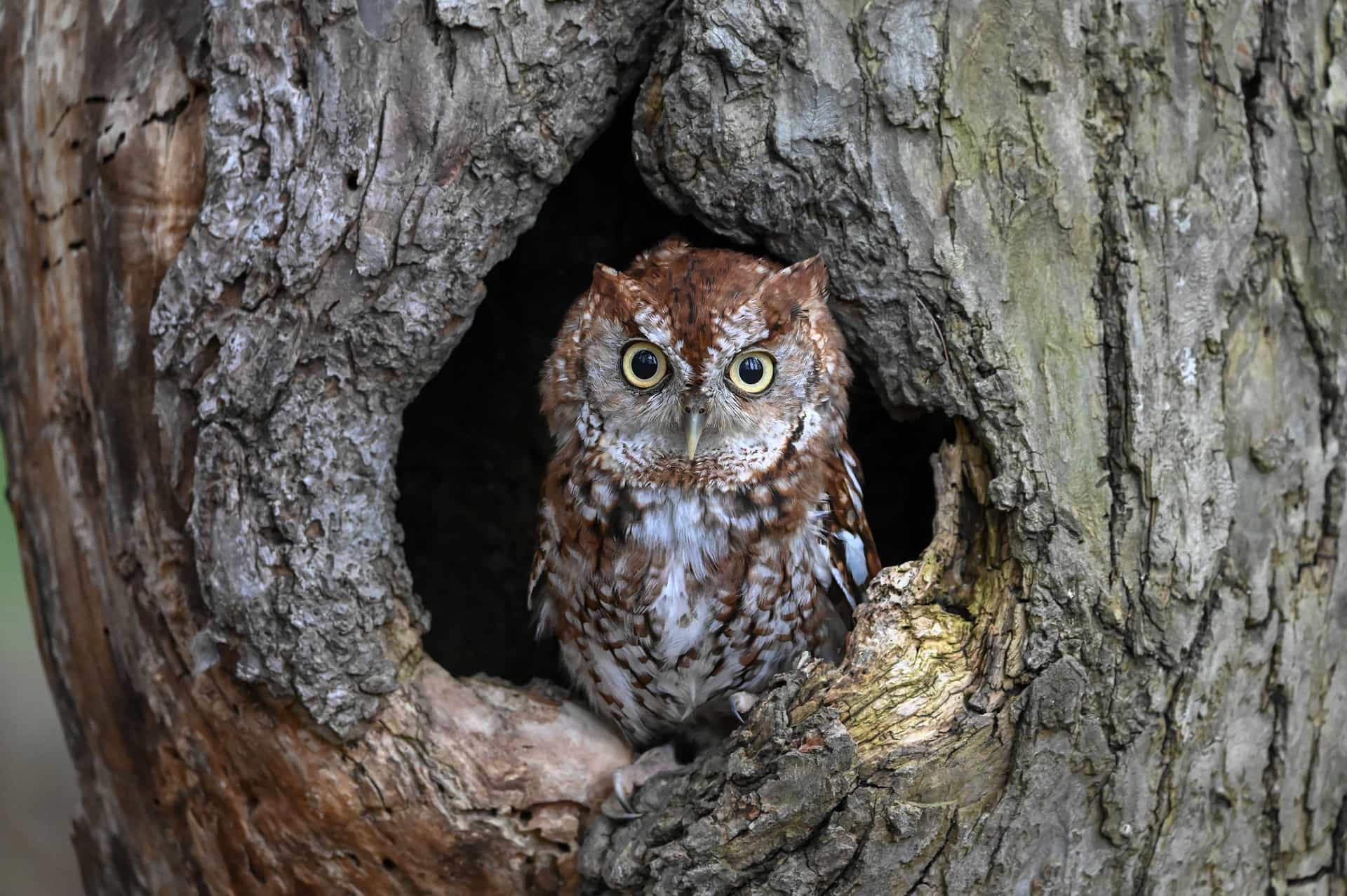
Smart Bird House Cameras
Smart Bird House Cameras
A camera inside a nest box shows you six weeks of something no feeder camera can, and an empty wooden box for the rest of the year. Both halves of that are worth knowing before you buy.
How this page is funded. Buying through a link here earns us a commission at no extra cost to you. It does not change what we recommend or the order we recommend it in, and we have not handled any of these products ourselves - see how we pick and the full disclosure.
Let us start with the part the product listings leave out, because it changes whether you should buy one of these at all.
The seasonality problem, stated honestly
A nest box is occupied during breeding season. In most of the United States that is a window running roughly from March or April into July, and a single brood occupies the box for about four to six weeks from the first egg to the last fledgling. Some species raise two broods and extend that; many raise one.
So a nest box camera delivers perhaps six weeks of extraordinary footage and then films an empty wooden box until the following spring. That is not a fault in the product. It is the biology, and every maker in this category is selling a device whose subject is absent for most of the year without mentioning it.
Worse: a box may not be occupied at all. A newly-installed nest box is frequently ignored in its first season - birds prospect for sites in advance, and a box that goes up in April has missed the decision. It is entirely normal to install one, film nothing whatsoever for a year, and get a nesting pair the following spring.
What you get when it works
The best footage available in this entire category, and it is not close.
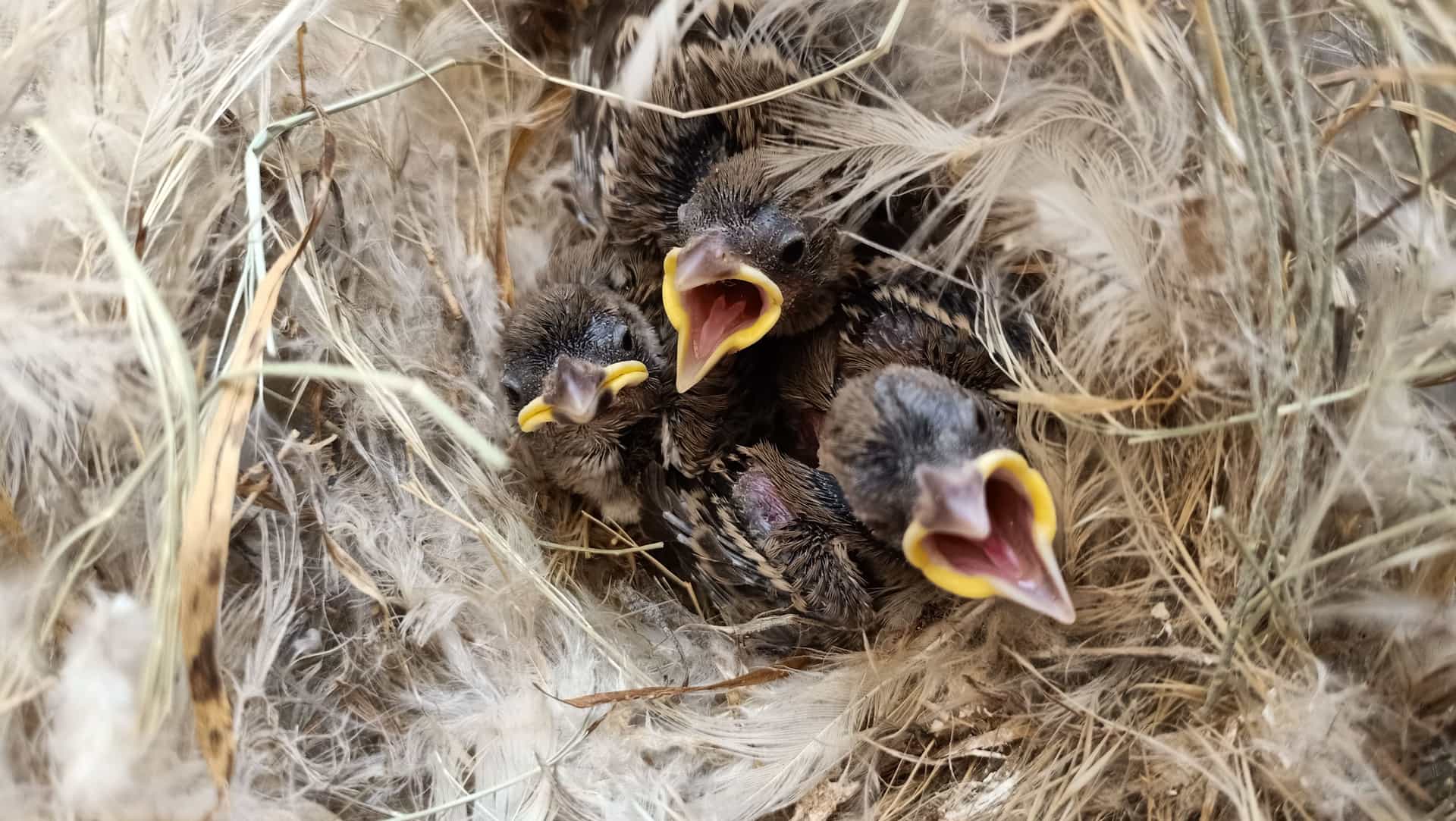
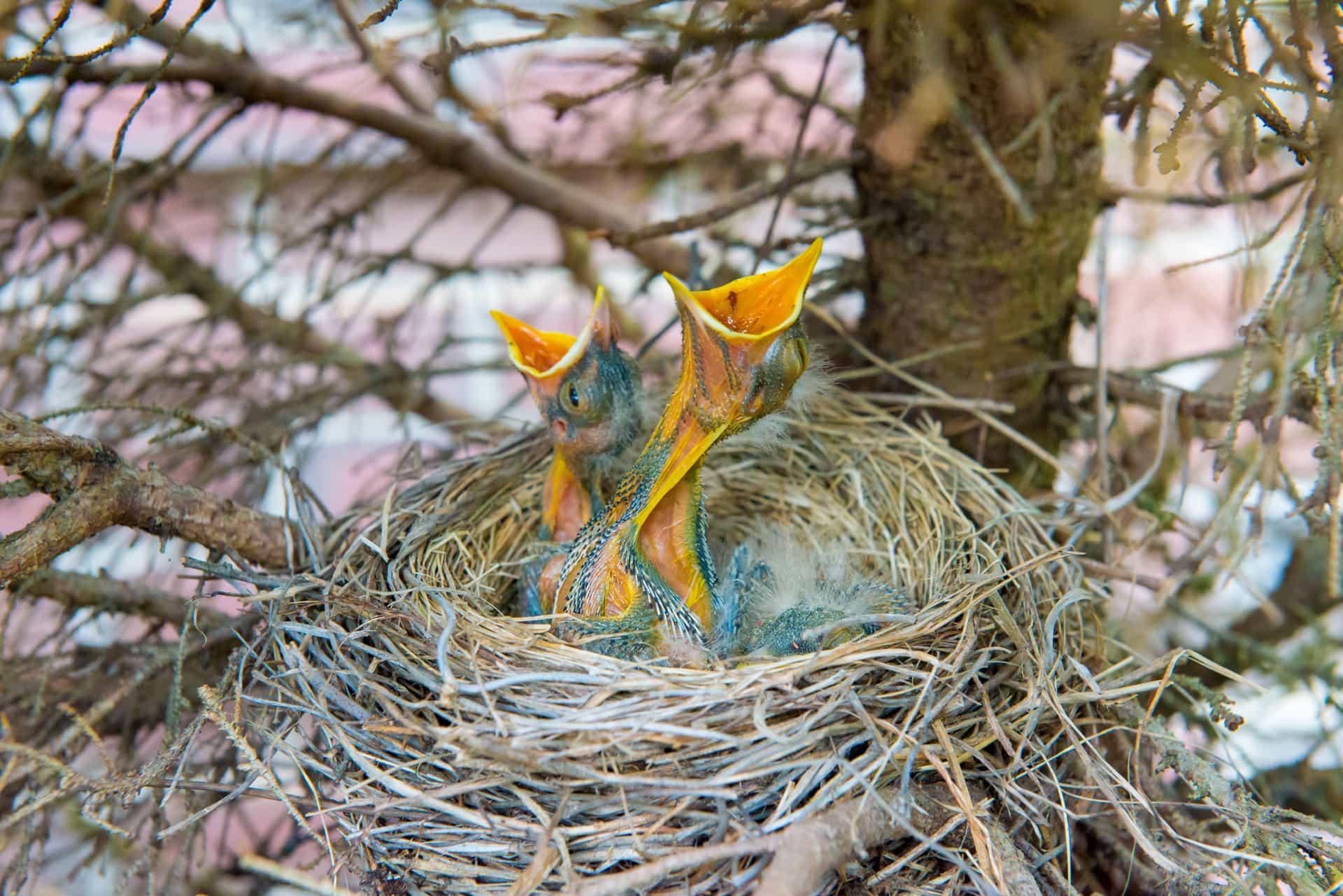
A feeder camera shows you birds eating. A nest box camera shows you a nest being built stick by stick, eggs appearing one a day, the incubation shift changes, hatching, the relentless feeding of nestlings, and finally fledging. It is a complete biological story with a beginning and an end, unfolding inside a box you can see into and no one else can - and it is the sort of footage people used to need a documentary crew for.
Nothing else you can buy shows you that. If you can accept the seasonality, the payoff is genuinely on a different level from watching a chickadee take a sunflower seed.
Quick picks
Ranked on published specifications and what each one costs to own. Every pick names the buyer it is wrong for.
| # | Product | Best for | Price |
|---|---|---|---|
| 1 | 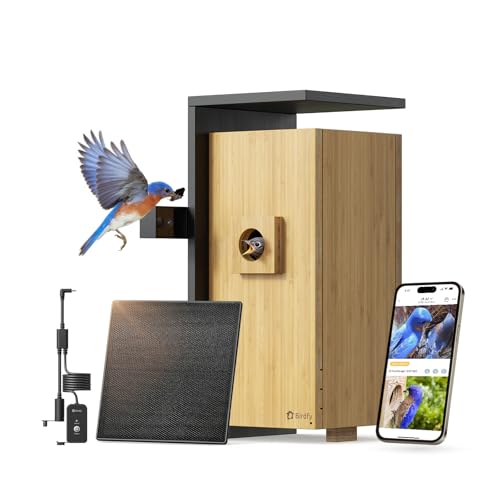 Netvue Birdfy Nest (dual-cam) Two 1080p cameras - one in the nest chamber, one on the entrance - with a 60 degree adjustable angle and identification paid for up front. This is the whole nesting season. | Inside the box and outside it, at once | $279.99 - View on Amazon #ad Price checked October 17, 2026. How this is funded |
| 2 |  Birdfy Smart Bird House (Lifetime AI) Auto-records the nesting stages and flags them, with lifetime AI and a remote control so you never have to open the box. | Nesting-stage alerts, paid once | $239.99 - View on Amazon #ad Price checked October 17, 2026. How this is funded |
| 3 |  4MP Color Night Vision Bird House 4MP with full-color night vision rather than infrared gray, plus a published IP66 rating - a real difference on a subject that is only ever in the dark. | Color at night inside the box | $69.00 - View on Amazon #ad Price checked October 17, 2026. How this is funded |
1. Inside the box and outside it, at once
Netvue Birdfy Nest (dual-cam)
Two 1080p cameras - one in the nest chamber, one on the entrance - with a 60 degree adjustable angle and identification paid for up front. This is the whole nesting season.
#ad Price checked October 17, 2026. How this is funded
A nest box camera is a completely different proposition to a feeder camera and it is worth understanding before you buy. A feeder gives you a hundred short visits a day. A nest box gives you nothing for weeks, then one continuous story - building, laying, hatching, fledging - that runs for about six weeks and does not repeat until next year. See what you actually see in a nest box.
The second camera is the whole product. The interior lens gives you the nest itself; the entrance lens gives you the arrivals, the fledging morning and - the part nobody warns you about - any competitor trying to take the box. One camera gives you half the story.
What is not published is the entrance hole diameter, and that is the specification that decides everything. Hole size is what selects your tenant - and gets it wrong. Hole size by species has the numbers; measure the box when it arrives.
| Cameras | Two: one inside the chamber, one facing the entranceSource: Birdfy Nest dual-cam - manufacturer listing on Amazon, retrieved 1 September 2026 |
|---|---|
| Video resolution | Dual 1080PSource: Birdfy Nest dual-cam - manufacturer listing on Amazon, retrieved 1 September 2026 |
| AI identification | Lifetime free AI bird ID stated on the listingBirdfy moved this line onto lifetime identification; it was previously sold with an optional recurring plan.Source: Birdfy Nest dual-cam - manufacturer listing on Amazon, retrieved 1 September 2026 |
| Camera angle | 60 degrees adjustable on bothSource: Birdfy Nest dual-cam - manufacturer listing on Amazon, retrieved 1 September 2026 |
| Audio | Built-inSource: Birdfy Nest dual-cam - manufacturer listing on Amazon, retrieved 1 September 2026 |
| Night vision | Not publishedNot stated on the current listing. |
| Solar | Not publishedNot stated on the current listing. |
| Entrance hole diameter | Not publishedThis is the specification that decides which species can use the box. |
| Battery capacity | Not published |
What it does well
- Two cameras cover the chamber and the entrance simultaneously
- Lifetime AI identification stated on the listing - nothing recurring
- Built-in audio - nestlings are far louder than people expect
- 60 degree adjustable angle on both cameras
What it does not
- Entrance hole diameter is not published, and it decides which species can nest
- 1080p on both cameras, with no higher option
- Night vision and solar are not stated on the current listing
- A nest box is empty most of the year
Skip this: if you want something to watch year-round. A nest box is spectacular for six weeks and inert for the other forty-six; a feeder camera is the opposite trade.
2. Nesting-stage alerts, paid once
Birdfy Smart Bird House (Lifetime AI)
Auto-records the nesting stages and flags them, with lifetime AI and a remote control so you never have to open the box.
#ad Price checked October 17, 2026. How this is funded
Nesting-stage detection is the one AI feature in this whole category that is unambiguously worth having. You cannot watch a nest box continuously for six weeks, and the moments that matter - first egg, hatch day, fledging - last minutes. A system that flags them is the difference between seeing the season and missing it.
The remote control deserves more credit than it gets. Opening an occupied nest box can cause abandonment. Being able to change a setting from ten feet away means you never have to weigh a settings change against the birds.
Hole diameter is still unpublished. Same caveat as every box in this category: measure it, then read hole size by species.
| AI | Lifetime AI identification stated on the listingSource: Birdfy Bird House lifetime AI - manufacturer listing on Amazon, retrieved 1 September 2026 |
|---|---|
| Recording | Auto-records nesting stages with alertsSource: Birdfy Bird House lifetime AI - manufacturer listing on Amazon, retrieved 1 September 2026 |
| Night vision | YesSource: Birdfy Bird House lifetime AI - manufacturer listing on Amazon, retrieved 1 September 2026 |
| Power | Battery and solarSource: Birdfy Bird House lifetime AI - manufacturer listing on Amazon, retrieved 1 September 2026 |
| Control | Remote control, so the box is not openedSource: Birdfy Bird House lifetime AI - manufacturer listing on Amazon, retrieved 1 September 2026 |
| Entrance hole diameter | Not published |
| Battery capacity | Not published |
What it does well
- Nesting-stage alerts - the most genuinely useful AI feature in this category
- Remote control means the box never has to be opened once occupied
- Lifetime AI with no subscription
- Battery and solar
What it does not
- Entrance hole diameter not published
- No published battery capacity
- Nesting-stage detection is only exercised for a few weeks a year
Skip this: if you have not yet worked out which species you are trying to attract. Install timing and hole size decide whether anything moves in at all, and no camera compensates for an empty box.
3. Color at night inside the box
4MP Color Night Vision Bird House
4MP with full-color night vision rather than infrared gray, plus a published IP66 rating - a real difference on a subject that is only ever in the dark.
#ad Price checked October 17, 2026. How this is funded
Full-color night vision inside a nest chamber is a bigger deal than the same feature outdoors. The interior of a box is dark essentially all the time, so an infrared camera renders the entire nesting season in gray. Color shows you egg markings and nestling plumage as they develop.
4MP is modest against a feeder camera, and it matters far less here: a nest box camera sits four inches from its subject, in a fixed frame, with lighting it provides itself. The more interesting number is the IP66 rating, which is published on this listing and on neither of the branded boxes above.
The trade is the brand. This is a generic listing rather than an established camera maker, and these are app-dependent devices where company continuity is part of what you are buying. It is on this page because a category with one serious supplier is worse for buyers than one with two. Single camera, so you get the chamber or the entrance, not both - the Birdfy dual-cam is the answer to that.
What it does well
- Full-color night vision, unusual on an interior nest camera
- Published IP66 rating - the only weather figure among the nest boxes here
- 4MP at four inches is more than adequate
- The cheapest way into a nest box camera on this site
What it does not
- One camera, so no entrance view
- A generic listing with no brand track record behind the app
- No published hole diameter, battery or Wi-Fi band
- AI recognition is claimed without any stated scope
Skip this: if you want the entrance activity as well as the chamber, or if you would rather buy from a maker whose record you can check. Half the nesting story happens at the hole, and the dual-camera Birdfy covers both.
What is technically different about a box camera
- It is dark inside. Every nest box camera relies on infrared, and this is the specification that matters most. One model here publishes color night vision inside the box, which is a genuine differentiator - infrared produces the monochrome footage you are used to from security cameras.
- It focuses very close. The camera sits in the roof, inches from the nest cup. This is a much shorter focus distance than a feeder camera works at.
- It cannot be adjusted once occupied. Disturbing an active nest is unacceptable and in the United States interfering with the nests of native migratory birds is illegal. You get one chance to aim it, before the season - which is why installation matters more here than anywhere else on this site.
- The hole size decides the species. The entrance diameter is the single most consequential specification, and it is not a camera specification at all - see nest box hole sizes.
The one thing that most affects your odds
Not the camera. The hole.
Entrance diameter determines which species can physically use the box, and it is the main lever you have over what nests in it - and over whether an aggressive non-native species takes it instead. A hole an eighth of an inch too large admits a competitor that will evict your chickadees. That guide is here, and it is the most important page in this hub.
The field
Birdfy again, with two configurations - a dual-camera box and a single-camera one, both now sold with lifetime identification included - plus one generic alternative that publishes color night vision and an IP66 rating, which for a camera whose entire job is filming in the dark is a more interesting claim than it first appears. The roundup ranks them; the head-to-head sets the two approaches directly against each other; and the color night vision review makes the case for why color beats resolution on a subject that lives in permanent darkness.
If you already have a birdhouse, buy the camera not the box
Everything above assumes you are buying a new box. A great many people are not - there is already a birdhouse on the pole, something nested in it last spring, and replacing it would mean offering a strange object to birds that had already chosen. Camera modules that fit inside a box you already own cost a fraction of a camera box and are collected in bird box cameras; the WIWACAM review covers the one most people should buy and the four figures its listing leaves out.
A step larger, owl box cameras is its own problem rather than a bigger version of this one. Owls nest high, quietly and well away from houses, which is precisely where a home router does not reach - so the only box that works in a sensible owl site is a cellular one.
Before you buy, two pages that decide the outcome
Timing. When to install a nest box is the page that saves a wasted year. NestWatch's deadlines are February in the south and mid to late March in the north, and autumn is better than either - a box that goes up in April was not among the cavities the birds were choosing between.
Expectations. What a nest box camera actually shows you is the honest week-by-week calendar: prospecting, nest building, a fortnight of a motionless incubating bird, then the two or three weeks the camera was really bought for - and the long empty stretch either side. If bluebirds specifically are the point, the bluebird roundup covers the dimensions no camera box publishes.
Questions people actually ask
How long is a bird house camera actually useful for?
About four to six weeks per brood, during a breeding season running roughly March to July in most of the US. Some species raise two broods. The rest of the year it films an empty box.
Will birds definitely nest in it?
No, and not necessarily in the first year. Birds prospect for nest sites ahead of the season, so a box installed in spring has often missed the decision. Installing in autumn or winter gives you much better odds for the following spring.
Can I look inside while they are nesting?
That is the entire point of the camera - and it is why the camera is the right way to do it. Do not open an occupied box. In the United States, disturbing the nests of native migratory birds is illegal as well as harmful.
Is the footage in color?
Usually not. It is dark inside a nest box, so most models use infrared and produce monochrome video. One model in this hub publishes color night vision, which is unusual.
Should this be my first bird camera?
No. A seed feeder camera works every day and starts within weeks. A nest box camera can film nothing at all for its first year - buy it second or third.