Smart Bird Bath Cameras
Bird Bath Cleaning and Water
A bird bath is more work than a feeder and the consequences of neglecting it are worse. The schedule, the method, and the one measurement that decides whether birds use it at all.
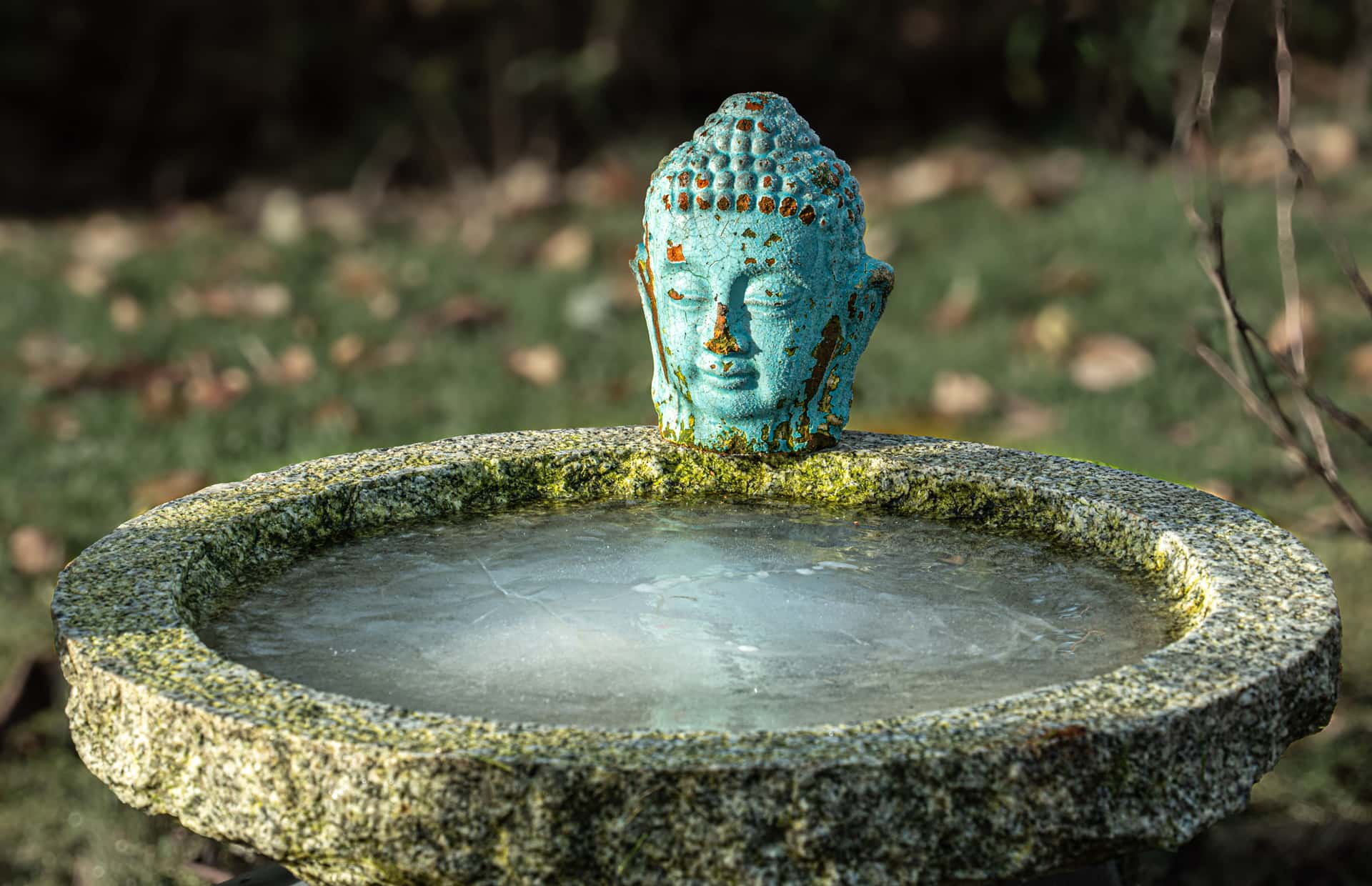
A bird bath is the highest-maintenance thing in this whole category, and the gap between a well-kept one and a neglected one is not cosmetic. A dirty bath concentrates birds around standing water contaminated with droppings, which is a mechanism for transmitting disease between birds that would otherwise never meet.
That is the case for taking this seriously rather than treating it as housekeeping. It is also, unglamorously, the reason we recommend a seed feeder as a first camera in the hub: a feeder tolerates being ignored for a fortnight, and a bath does not.
The schedule
| Conditions | Change the water | Scrub the basin |
|---|---|---|
| Hot weather, busy bath | Daily to every 2 days | Every 2-3 days |
| Warm weather | Every 2-3 days | Weekly |
| Cool weather | Every 3-5 days | Every 1-2 weeks |
| Any time the water is green or cloudy | Immediately | Immediately |
| Any time you see droppings in the basin | Immediately | Immediately |
| After a sick or dead bird is seen | Immediately | Immediately, and consider a break |
A circulating fountain buys you some time on the water changes - moving water fouls more slowly and does not breed mosquitoes - but it does not remove the need to scrub. Algae grows on the surfaces regardless of whether the water is moving over them.
How to clean it
The five-minute routine
- 1
Tip it out away from the bath
Not into the flowerbed immediately beneath it, if you can avoid it - you are emptying water containing droppings.
- 2
Scrub dry, or nearly dry
A stiff brush on the basin surfaces does most of the work. Algae attaches to the surface, so mechanical scrubbing is the main event and whatever you soak it in is secondary.
- 3
For stubborn algae, use dilute vinegar
Roughly one part white vinegar to four parts water, left to sit for a few minutes, then scrubbed. Effective, and no rinse anxiety.
- 4
If you use bleach, dilute it hard and rinse exhaustively
A very dilute solution works on serious biofilm. It must be rinsed until there is no smell at all before refilling - if you will not do that, use vinegar.
- 5
Refill shallow
About an inch to an inch and a half, which is Audubon's published figure. Depth is the single thing that decides whether small birds bathe at all.
Depth, which decides everything
The commonest mistake with a bird bath is filling it up. A basin brimming with four inches of water is a drinking bowl - larger birds will use it, and the small songbirds you actually want will stand at the edge and leave.
Small birds bathe in water that comes up to their legs, not their bodies. Audubon puts the figure at about an inch to an inch and a half, in a basin no more than two inches deep. If your basin is deeper than that, put a flat stone in the middle - it creates a shallow standing area and gives grip at the same time. Placement and water depth covers the published numbers and the siting decisions in full.
Mosquitoes
Mosquito larvae need standing water for several days to develop. Two things break that cycle completely: changing the water every few days, which you should be doing anyway, and a fountain or bubbler, which is why moving water is worth having beyond its attraction value.
Do not use mosquito treatments in a bird bath. Whatever the product claims about safety, birds are drinking this water, and the correct fix - a water change - is free and takes ten seconds.
Winter
Water is scarcer than food in a hard winter, so a bath that stays liquid is genuinely valuable - more so than an extra feeder. But the solar-pumped camera baths in this hub are not built for freezing conditions: the pump will not run reliably and ice in the basin risks damaging it. Treat them as three-season products, and if you want winter water, run a separate heated bath without electronics in it.
Never add antifreeze, salt, or glycerine to a bird bath. All three are harmful, and glycerine in particular can damage the feather structure that keeps a bird insulated - in freezing weather that is likely to kill it.
What this means for a camera bath
You will handle this device far more than a feeder, so how easily the basin separates from the electronics is a genuine buying criterion rather than a detail. It is the practical reason cleaning access is ranked alongside the optics in the roundup - and it is the same argument the hummingbird hub makes about nectar feeders, for the same reason.
Nothing to sell on this page. A maintenance page with nothing honest to sell. The schedule below needs a scrubbing brush and a hose, and attaching a product recommendation to a welfare obligation would make the advice less trustworthy without making it more useful.
Questions people actually ask
How often should I clean a bird bath?
Change the water every one to three days in warm weather and scrub the basin weekly - more often if it is busy, and immediately if the water goes green or you see droppings in it.
How deep should the water be?
About an inch at the edge, no more than two or three in the middle. Deeper than that and small songbirds will drink but not bathe. A flat stone in the middle fixes a basin that is too deep.
Can I use bleach to clean a bird bath?
Very dilute, and rinsed until there is no smell whatsoever. Dilute white vinegar is easier and safer for routine use. Never use dish soap - the residue is hard to rinse out and can strip the oils from a bathing bird's feathers.
Will a bird bath breed mosquitoes?
Only if the water sits still for several days. Changing it every couple of days or running a fountain breaks the larval cycle completely. Do not put mosquito treatments in water birds are drinking.
Can I use a bird bath camera in winter?
Not in freezing conditions - the solar pump will not run reliably and ice risks damaging the basin. If you want to offer winter water, use a separate heated bath with no electronics in it.
Is a dirty bird bath actually harmful?
Yes. It concentrates birds around standing water contaminated with droppings, which transmits disease between birds that would otherwise not interact. A neglected bath is worse than no bath.